

We log anonymous usage statistics. Please read the privacy information for details.
Individual variability in the encoding and decoding of prosodic prominence relations
Synopsis
This book investigates inter-individual variability in the encoding and decoding of prosodic prominence relations. Formally, prosodic prominence relations are redundantly expressed by several acoustic parameters, such as changes in fundamental frequency, duration, and intensity. Functionally, prominence relations encode meaning, e.g., the information status of a word or referent. Both the formal and the functional side of prominence facilitate inter-individual variability. On the one hand, redundancy inherent in prominence marking enables individuals to use different parameters in their production and perception. On the other hand, differences in communicative skills may influence which meaning aspects language users pay attention to and how strongly they encode them.
In this book, inter-individual variability is analyzed in two production studies and one perception study. Production data is elicited in listener-directed reading tasks and analyzed using prosodic annotation and acoustic analyses. Perception is probed via a prominence rating task. Individual differences are explored via careful descriptive inspection of the data and statistically via cluster analyses. Results indicate that speakers differ in how strongly they encode prominence relations, which parameters they use to do so, and which meaning aspects they predominantly mark - which in turn is partially modulated by their communicative skills. Listeners also vary in their sensitivity to prominence cues.
These findings highlight the importance of looking at the individual speaker or listener in prosodic research and allow for a new perspective on established concepts in prosodic theory, such as the dichotomy of tune and metrical structure, relationality and redundancy in prominence encoding and decoding, and the probabilistic nature of form-meaning mapping.
Statistics
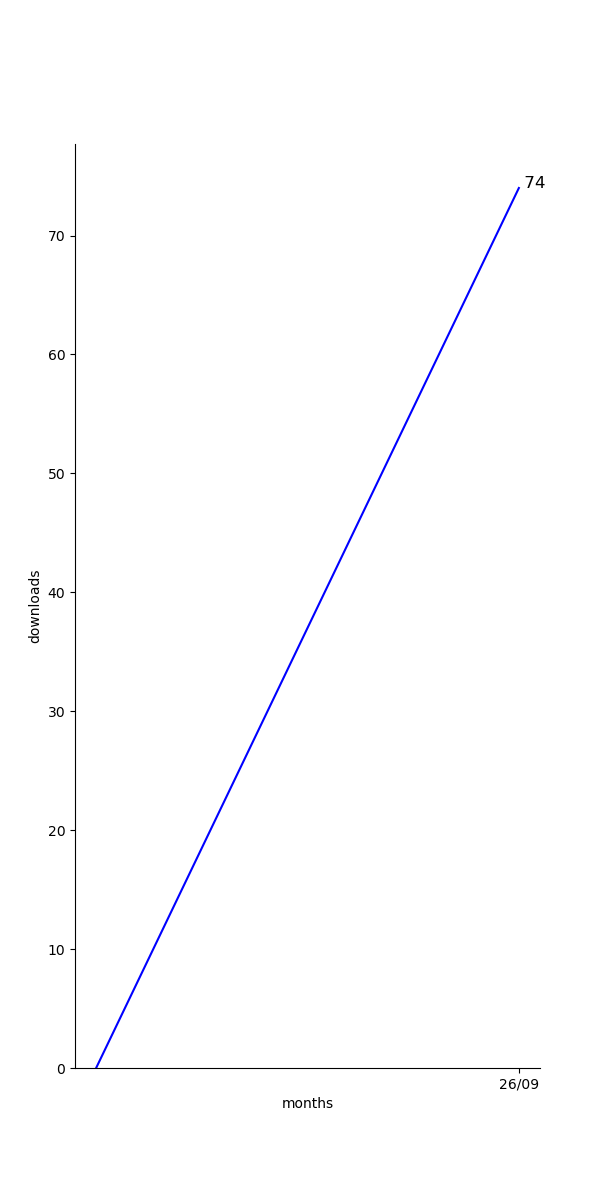
Downloads
Published
August 31, 2026
LaTeX source on
GitHub
Print ISSN
2363-5576
Cite as
Lorenzen, Janne Marike. 2026. Individual variability in the encoding and decoding of prosodic prominence relations. (Studies in Laboratory Phonology 18). Berlin: Language Science Press. DOI: 10.5281/zenodo.21133333
Copyright (c) 2026 Janne Marike Lorenzen
Details about the available publication format: PDF
PDF
ISBN-13 (15)
978-3-96110-590-8
doi
10.5281/zenodo.21133333
Details about the available publication format: Hardcover
Hardcover
ISBN-13 (15)
978-3-98554-207-9
Physical Dimensions
180mm x 245mm