
We log anonymous usage statistics. Please read the privacy information for details.
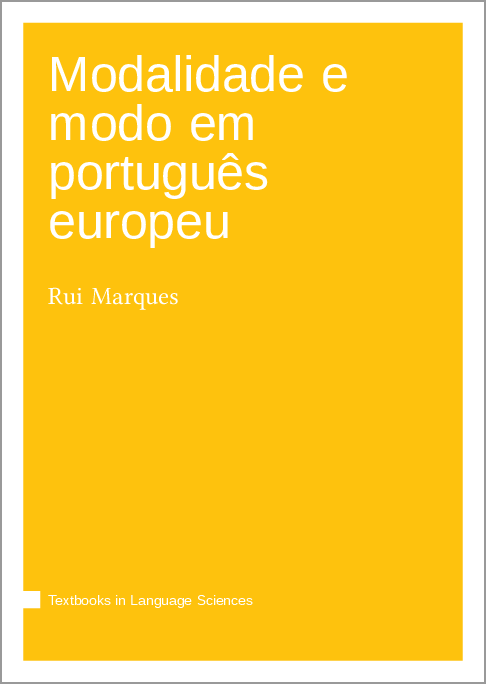
Modalidade e modo em português europeu
Synopsis
Este livro oferece uma apresentação dos sistemas da modalidade e do modo em Português Europeu. A aproximação aos temas abordados tem por base o espírito da semântica formal, mas a apresentação é informal, sendo o texto acessível a qualquer leitor, mesmo que não familiarizado com qualquer formalismo semântico ou com a Lógica. São tratados dados da variante europeia da língua portuguesa, mas, naturalmente, os conceitos técnicos envolvidos são aplicáveis a qualquer língua natural, pelo que a descrição e análise de dados que é apresentada permite a comparação com outras línguas e com outras variedades do português. Em sala de aula, o livro poderá ser usado tanto em cursos mais avançados de licenciatura como em cursos de pós-graduação. Fora de aula, poderá ser útil para professores de português (quer como língua materna quer como L2), investigadores em Linguística e áreas afins, ou simples curiosos pela língua portuguesa. O livro está dividido em duas partes. A primeira oferece uma introdução ao conceito de modalidade, tipos de modalidade e formas de expressão da modalidade em português, com capítulos dedicados à análise de diferentes construções modais do português. A segunda parte oferece uma descrição e análise dos sistemas dos modos indicativo e conjuntivo (com foco no Português Europeu), incluindo um capítulo dedicado aos tempos do conjuntivo.
This book offers a presentation of the systems of modality and mood in European Portuguese. The approach to the topics follows the spirit of formal semantics, but the presentation is informal, and the text is accessible to any reader, even if unfamiliar with any semantic formalism or Logic. Data from the European variant of the Portuguese language are discussed, but, naturally, the technical concepts involved are applicable to any natural language. Thus, the presented description and analysis of data allows for comparison with other languages and other varieties of Portuguese. In the classroom, the book can be used in more advanced undergraduate and in postgraduate courses. Outside the classroom, it can be useful to teachers of Portuguese (whether as a mother tongue or as a second language), researchers in Linguistics and related fields, or simply curious people about the Portuguese language. The book is divided into two parts. The first one offers an introduction to the concept of modality, its types and forms of expression in Portuguese, and it includes chapters dedicated to the analysis of different modal constructions in Portuguese. The second part offers a description and analysis of the indicative and subjunctive mood systems (with focus on European Portuguese), including a chapter dedicated to the subjunctive tenses.
Statistics
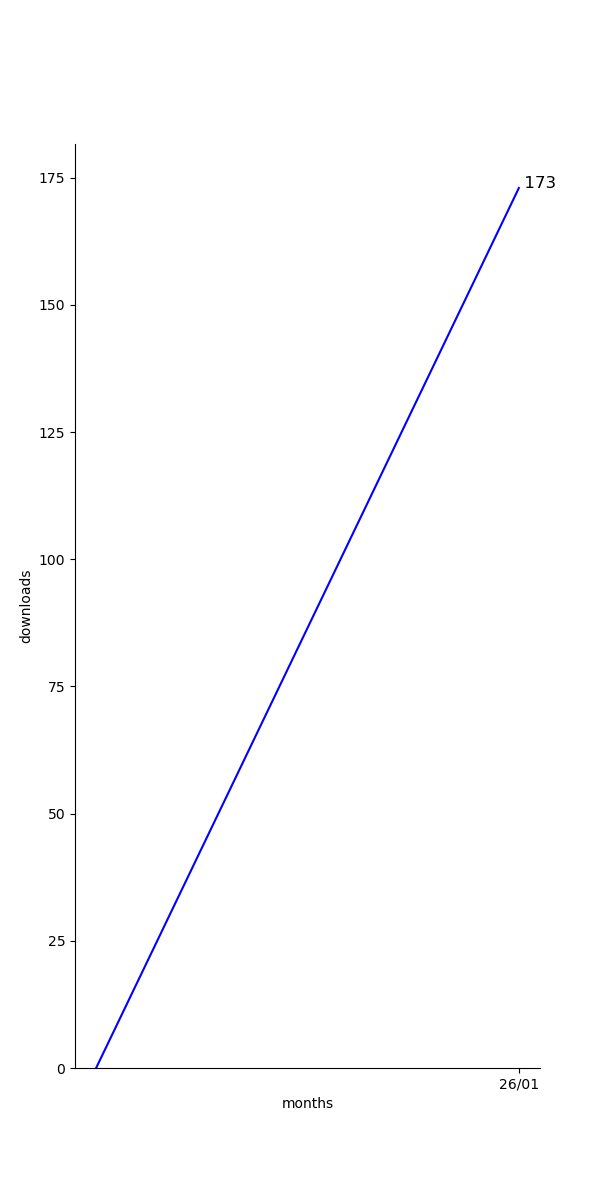
Downloads
Published
January 2, 2026
LaTeX source on
GitHub
Print ISSN
2364-6209
Cite as
Marques, Rui. 2026. Modalidade e modo em português europeu. (Textbooks in Language Sciences 15). Berlin: Language Science Press. DOI: 10.5281/zenodo.17788744
Copyright (c) 2025 Rui Marques
Details about the available publication format: PDF
PDF
ISBN-13 (15)
978-3-96110-555-7
doi
10.5281/zenodo.17788744
Details about the available publication format: Softcover
Softcover
ISBN-13 (15)
978-3-98554-175-1
Physical Dimensions
180mm x 245mm